

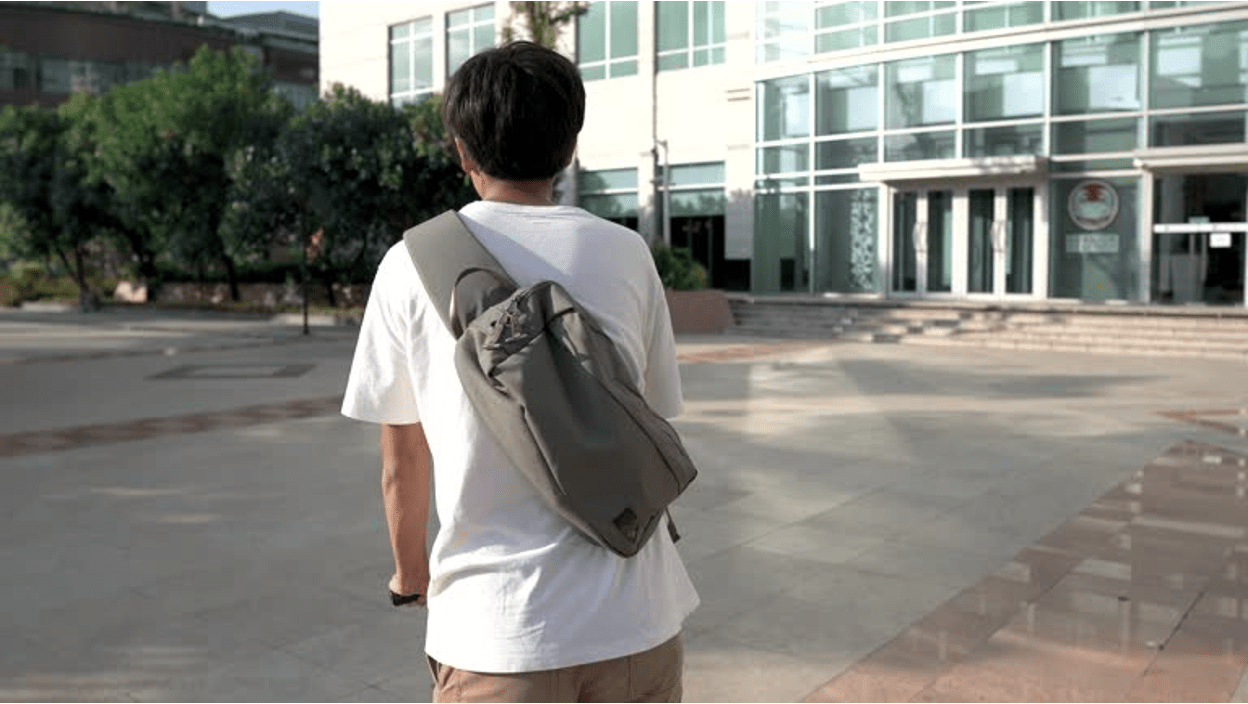
Are sling backpacks good for your back? The short answer is yes, when used correctly. Sling bags are one of the most popular ways to carry your essentials hands-free, but the single-strap design does affect how weight sits on your body. Here is what you need to know about the pros, the cons, and how to get the most out of yours.
Key Takeaways
- Sling backpacks provide excellent back support when kept under 3–4 pounds and worn for shorter durations (4–6 hours maximum).
- The asymmetrical design of sling bags offers quick access and mobility but can cause shoulder strain with extended use.
- Proper positioning and regular shoulder switching are essential for preventing muscle imbalances when using sling backpacks.
- Features like padded straps, ergonomic designs, and correct sizing significantly improve back comfort with sling bags.
- Concept Global's Travel Sling Bag 2.0 Travel Sling Bag and CG1 models feature pressure-distributing padding, lightweight construction, and anatomically correct positioning for ergonomic comfort, backed by 1,500+ customer reviews and a 99-day satisfaction guarantee.
Are Sling Backpacks Good or Bad for Your Back?
Sling bags are not bad for your back when you wear and use them properly. Keep the weight light, under 3 to 4 pounds, and do not wear them on the same shoulder for more than 4 to 6 hours without switching sides. Most back problems people experience with sling bags come down to carrying too much for too long.
Sling bags carry weight diagonally across one side of your body rather than evenly across both shoulders like a traditional backpack. When packed light and fitted properly, that diagonal load is comfortable and easy to move in. When overloaded or worn too long on the same side, it puts uneven pressure on one shoulder that builds into strain over time. Whether a sling bag works for your back comes down to how you use it.
|
Modern Anti-Theft Sling Bags for Smart Travelers. High-Quality Basics Without the Hype Tax! Upgrade from bulky backpacks to sleek, secure sling bags with RFID protection and anti-theft features. Join 100,000+ customers who trust our travel solutions. Smart Security Features:
Why Choose Concept Global:
99-Day Money-Back Guarantee: Not satisfied? Full refund, no questions asked. |

When Sling Backpacks Help Your Back

Sling backpacks truly shine in scenarios where mobility matters more than capacity.
Lightweight Carry Benefits
The magic number for comfortable sling bag carry is 3–4 pounds maximum. At this weight threshold, your body easily accommodates the asymmetrical load without triggering compensatory movements that lead to discomfort.
Keeping the load light is also one of the reasons sling bags work well as anti-theft travel bags, since a slim, lightly packed bag sits closer to the body and is harder for pickpockets to access undetected.
The slight presence of the strap crossing your body serves as a gentle reminder to keep your shoulders relaxed and spine aligned.
Freedom of Movement Advantages
The single-strap design liberates your range of motion in ways traditional backpacks simply cannot match. When scrambling over rocks, passing crowded spaces, or quickly transitioning between sitting and standing. Sling bags are also great for activities like hiking where the bag moves with your body rather than against it. This freedom reduces the awkward twisting and contortion often required to accommodate conventional packs during dynamic activities.
Travel sling bags re particularly suited to active travel days where you need to move quickly, navigate public transport, and access your bag without taking it off.
Quick Access Without Awkward Twisting
Traditional backpacks force you into unnatural positions when retrieving items, often requiring complete removal or awkward reaching that strains your back. Sling bags solve this problem elegantly by allowing a simple forward rotation that brings all contents within immediate reach. This design feature replaces the potentially harmful twisting and contortion that can trigger back pain when accessing conventional packs.
The health benefits of this quick-access design extend beyond convenience. By reducing instances of awkward reaching and twisting, sling backpacks help maintain proper spinal alignment during active use.
When Sling Backpacks Hurt Your Back
When Carrying Heavy Loads

Sling backpacks fundamentally fail as heavy-load carriers and should not be stuffed to their maximum capacity, due to their single-point support system. When loaded beyond 4 pounds, the concentrated pressure on one shoulder quickly leads to muscle fatigue, potential nerve compression, and compensatory posture changes that stress your spine. Pay attention to warning signs like persistent shoulder ache, tingling in the arm or hand, or the tendency to hunch toward the bag side—these indicate your sling bag is too heavy.
When Wearing for Long-Durations
Even properly loaded sling backpacks become problematic when worn for extended periods. The 4–6 hour comfort threshold represents a practical maximum for most users before shoulder fatigue sets in.
Beyond this window, the uneven load distribution progressively taxes your musculoskeletal system, often manifesting as neck tightness, upper back discomfort, or even headaches from compensatory tension patterns.
When There Is A Risk of One-Sided Muscle Development
The most insidious potential drawback of regular sling bag use comes from the asymmetrical muscle development it can promote. Consistently carrying weight on one shoulder strengthens that side's stabilizing muscles while leaving the opposite side relatively undertrained. This imbalance can gradually alter your posture, creating a visible tilt in your shoulders and potentially contributing to functional scoliosis over time.
Alternative Ways to Wear a Sling Backpack
Adjust the Strap to the Right Tension
Finding the sweet spot for strap tension makes all the difference in sling backpack comfort. The ideal adjustment keeps the bag snug against your body without restricting movement or causing compression.
Start with the bag positioned in the middle of your back, then tighten until you feel the load stabilize without pulling against your neck or restricting chest expansion. This balanced tension prevents the bag from swinging during movement while maintaining natural posture.
Switch Shoulders Every 30 to 45 Minutes
The single most effective technique for preventing muscle imbalances is regularly alternating which shoulder carries your sling bag. Aim to switch sides every 30–45 minutes during continuous wear, even if your dominant side feels more comfortable initially.
This practice ensures balanced muscle engagement and prevents one-sided fatigue patterns from developing. For those who find one side significantly less comfortable, start with shorter intervals on the non-dominant side and gradually build tolerance.
Wear It Flat Against Your Back
For maximum back support, the bag should maintain contact with your body throughout your range of motion. When properly positioned, you should be able to stand fully upright with shoulders relaxed and still feel the bag hugging your back. Any positioning that forces you to hunch, lean, or continuously adjust indicates suboptimal placement that will lead to discomfort over time. The difference between a sling bag and a shoulder bag becomes most obvious here. A shoulder bag hangs freely at your side and rarely maintains that consistent body contact, which is why sling bags tend to cause less long-term strain on your back if you wear it correctly.
Features to Look for in Back-Friendly Sling Bags

Not all sling backpacks are created equal when it comes to spinal support and carrying comfort. Design features significantly impact how the bag interacts with your body mechanics.
Padded Straps & Backing
High-quality padding distributes pressure more evenly across contact points, reducing the likelihood of hot spots and nerve compression. Look for padding that maintains its resilience without bottoming out under pressure.
Materials like closed-cell foam, memory foam, or air-mesh provide superior comfort compared to basic open-cell foam. The ideal strap padding tapers appropriately to match shoulder anatomy rather than using uniform thickness throughout.
Ergonomic Strap Design
The anatomy of a truly back-friendly sling strap extends beyond simple padding. Look for contoured designs that follow the natural curve of your shoulder and collar area, distributing pressure along anatomical lines rather than cutting across them.
Superior straps widen at the shoulder apex where maximum load bearing occurs, then taper appropriately as they cross your torso. This varied width profile matches the body's natural load-bearing capabilities at different contact points.
Size & Capacity Considerations
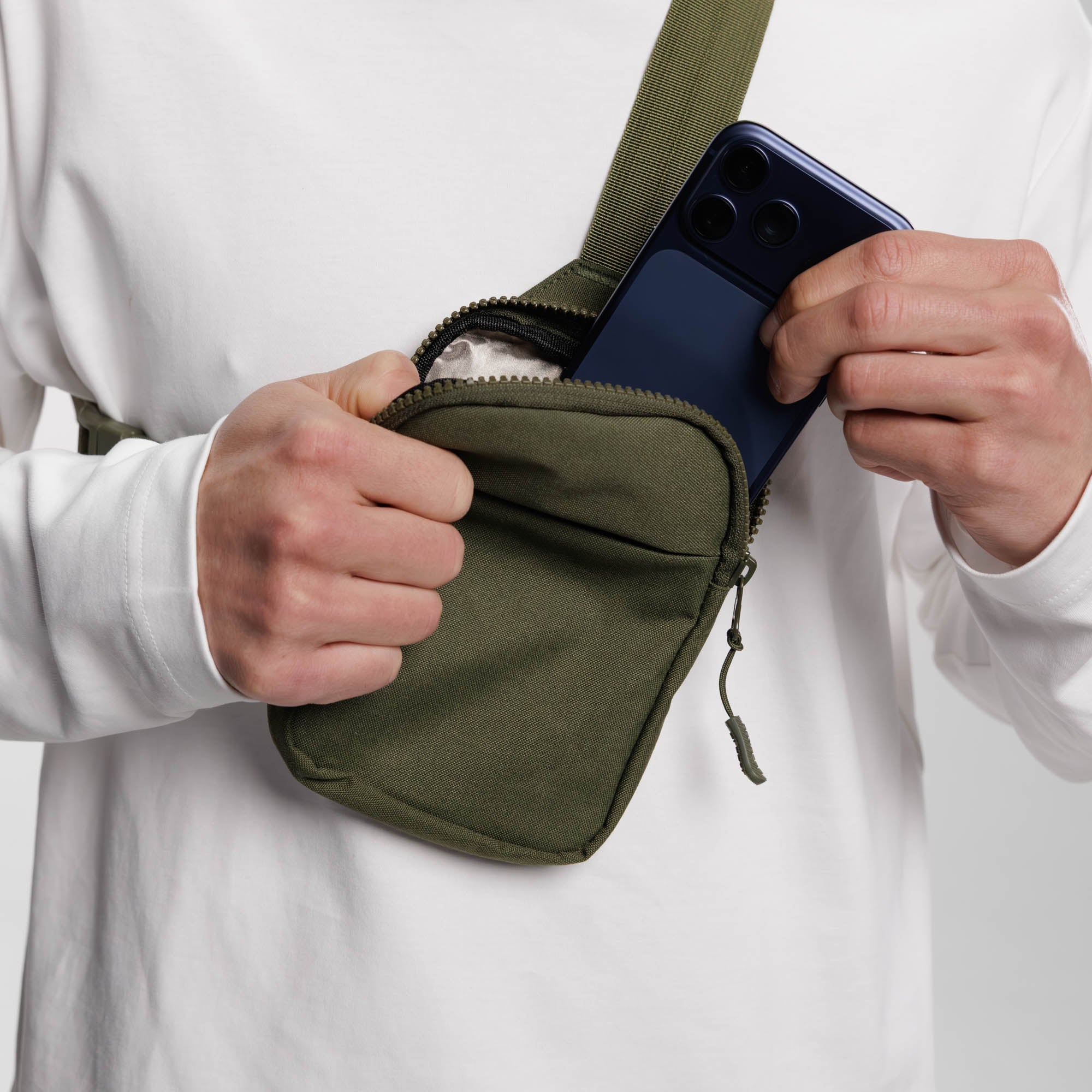
Right-sizing your sling backpack represents one of the most important back-friendly decisions you'll make. Oversized bags invite overpacking, while undersized options create frustrating compromises that often lead to improper carrying techniques. The ideal capacity matches your typical load plus 15–20% flexibility, enough space to accommodate variation without excessive volume that tempts overloading. Small sling bags are perfect for this
Choose Concept Global for Back-Friendly Sling Backpack Solutions
At Concept Global, our ergonomically designed sling bags aren't just stylish accessories, they're thoughtfully engineered solutions that prioritize your comfort and well-being.
Our Travel Sling Bag, highly rated by over 1,500 customers, incorporates the essential features outlined in this guide: lightweight construction that stays within the crucial comfort zone, padded straps for pressure distribution, and ergonomic positioning that supports proper posture.
The CG1 model takes comfort further with premium genuine leather and enhanced back panel design for extended wear scenarios.

Our customers consistently praise our unique design and usability.
With over 100,000 satisfied customers across 50+ countries, we've proven that quality sling backpacks can support both your lifestyle and your back health.
Our commitment extends beyond the sale—every Concept Global sling bag comes with a 99-day money-back guarantee and 24/7 customer support, ensuring you find the perfect balance of style, functionality, and spinal wellness.
Shop with Concept Global today →
Frequently Asked Questions (FAQs)
How much weight can I safely carry in a sling backpack?
For optimal comfort and back health, limit sling bag weight to 3–4 pounds maximum. This threshold allows for extended wear without significant shoulder strain while maintaining the accessibility advantages that make sling bags attractive. Beyond this weight, asymmetrical loading creates exponentially increasing stress on neck and shoulder tissues.
Can wearing a sling backpack cause scoliosis?
Sling backpacks cannot cause structural scoliosis in adults with fully developed skeletons. However, habitual one-sided carrying without regular shoulder switching can contribute to functional scoliosis. It is a reversible condition where muscular imbalances create the appearance of spinal curvature through uneven pulling forces.
Should children use sling backpacks for school?
Children should generally avoid using sling backpacks as primary school bags, particularly during periods of rapid skeletal development. The asymmetrical design creates greater potential for influencing developing posture patterns compared to adults with mature musculoskeletal systems. Traditional two-strap backpacks remain recommended for daily educational material transport.
How often should I switch shoulders when wearing a sling bag?
Switch shoulders every 30–45 minutes during continuous sling bag use to prevent muscular imbalances and reduce fatigue. This interval represents the balance point between practical convenience and physiological benefit, allowing sufficient time for normal activities without extended one-sided loading.
What makes Concept Global sling bags better for back health?
Concept Global sling bags feature ergonomically designed padded straps, anatomically correct back panels, and lightweight construction that keeps you within healthy weight limits. Our Travel Sling Bag and CG1 models incorporate pressure-distributing features and proper sizing to support spinal alignment, backed by over 1,500 customer reviews and our 99-day satisfaction guarantee.

Leave a comment
This site is protected by hCaptcha and the hCaptcha Privacy Policy and Terms of Service apply.